
"Vietnamese roast"
600 article(s) found

The main varieties of Vietnamese coffee The taste and texture of Vietnamese coffee Why is it very special
Have you ever wondered why Vietnamese coffee tastes so good? Except condensed milk. Have you ever heard of Vietnamese coffee or coffee beans? So, let's sort things out for everyone. Some people know Vietnamese coffee, some people don't, and some people might want to know about it, not just coffee made in Vietnam. Yes, it was made there. It's the way beans are processed and brewed that makes them unique.
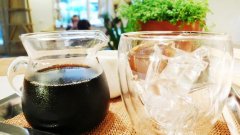
Vietnamese Coffee Flavor description and characteristics of Vietnamese coffee beans
Perhaps under the influence of French colonial rule, coffee grown in Vietnam has a French flavor. Arabica coffee was first brought to Vietnam by French missionaries. Coffee production in Vietnam: 96% of Robbins coffee comes from small farms, but some state-owned farms also grow coffee trees. Near Tokyo (Tonkin) Bay, there are mostly Java or bourbon varieties. The main variety produced is Robbins special coffee.

Basic knowledge of boutique coffee brewing coffee by Vietnamese method
Vietnamese coffee has its own style. Coffee beans are deeply roasted and extracted into coffee by drip filtration, which is called Didi pot in Vietnam. Vietnamese coffee with condensed milk, this is unique, if added with ice, it will become iced coffee. The following introduces the specific use of Vietnam Didi pot: 1. Preparation items: Vietnamese Didi pot, condensed milk, Vietnamese local coffee beans, coffee.

History of Vietnamese Coffee Development is Vietnamese Coffee good
Exchange of professional baristas Please follow the coffee workshop (Wechat official account cafe_style) Vietnamese coffee flavor: smell: coffee after the preparation of the smell and aroma. The words used to describe smell include caramel, carbon roast, chocolate, fruit, grass, malt, and so on. Bitterness: bitterness is a basic sense of taste, and the sensory area is distributed at the base of the tongue. Deep
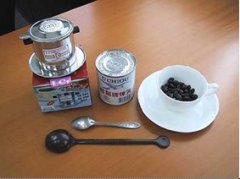
Basic knowledge of Fine Coffee Coffee is prepared by Vietnamese methods.
Vietnamese coffee has its own style. Coffee beans are deeply roasted and extracted into coffee by drip filtration, which is called Didi pot in Vietnam. Vietnamese coffee with condensed milk, this is unique, if added with ice, it will become iced coffee. The following introduces the specific use of Vietnam Didi pot: 1. Preparation items: Vietnamese Didi pot, condensed milk, Vietnamese local coffee beans, coffee.

Is there only G7 coffee in the Vietnamese coffee brand? How can Vietnamese coffee powder taste good?
Professional coffee knowledge exchange more coffee bean information please follow the coffee workshop (Wechat official account cafe_style) said that the coffee producing area, Vietnam does not seem to have a cup test of the world's top few beans, but in terms of world coffee output, Vietnam has always been in the top several, not only in recent years, but also rose to become the world's largest coffee exporter in 2012, for the first time

A brief introduction to the cultivation of Vietnamese boutique coffee beans with light sour taste, geographical location, climate and altitude
Traditional Vietnamese coffee is the way of drinking coffee with condensed milk, the flavor is very strong, and the milk flavor basically covers the original aroma, sour taste and charred aftertaste of coffee. And Saigon coffee is slightly different from the traditional Vietnamese coffee, its unique production and processing technology, high standards of ingredients, restore the pure fragrant taste of coffee, so that the majority of consumers drink pure more.

Vietnamese coffee is ambitious
Vietnam's next goal is clearly not just to become the world's second-largest coffee exporter, because it has so many coffee-loving citizens. In Vietnam, drinking coffee between friends is as natural as shaking hands. An Australian food guide who has been in Hanoi for seven years is deeply impressed. A cafe in three or five steps is not only a street view of large and small cities in Vietnam, but also seems to be a ritual. In Vietnam

Is Vietnamese coffee French coffee? What is the cultural essence of Vietnamese coffee?
Professional coffee knowledge exchange more coffee bean information Please pay attention to the coffee workshop (Wechat official account cafe_style) French coffee although the French have withdrawn from the Vietnamese political arena, but the impact of a hundred years of colonial rule on a nation is indelible, perhaps, the brand of French cultural life will never be eliminated, it has become a part of Vietnamese culture

The skill of making boutique coffee makes coffee by Vietnamese method (group of pictures)
Vietnamese coffee has its own style. Coffee beans are deeply roasted and extracted into coffee by drip filtration, which is called Didi pot in Vietnam. Vietnamese coffee with condensed milk, this is unique, if added with ice, it will become iced coffee. The following introduces the specific use of Vietnam Didi pot: 1. Preparation items: Vietnamese Didi pot, condensed milk, Vietnamese local coffee beans, coffee.

How many kinds of coffee are there in Vietnam? How to make Vietnamese coffee? Tips and tricks for making Vietnamese coffee
Professional coffee knowledge exchange more coffee bean information please follow the coffee workshop (Wechat official account cafe_style) how many kinds of coffee are there in Vietnam? How to make Vietnamese coffee? Tips and tricks for making Vietnamese coffee? Vietnam is not famous for coffee, but with the increasing number of exports, people began to pay attention to the Vietnamese coffee industry, which was exported in 2012.

Vietnamese coffee flavor Vietnamese coffee characteristics Vietnamese coffee taste
Vietnamese coffee has a strong flavor, light sour taste, smooth and moist taste, slightly bitter in mellow, full-bodied, refreshing and refreshing. The representative products are moossy Coffee, Central Plains Coffee (G7 coffee), Saigon Coffee (SAGOCAFE) and Highland Coffee. Vietnam's geographical location is very favorable for coffee cultivation. Southern Vietnam has a hot and humid tropical climate, which is suitable for growing ROBUSTA coffee.
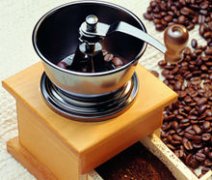
Vietnamese coffee pot
Vietnam's geographical location is very favorable for coffee cultivation. Southern Vietnam has a hot and humid tropical climate, which is suitable for growing ROBUSTA coffee, while the north is suitable for growing ARABICA coffee. Every coffee bean used in the products currently produced by Saigon Coffee is selected from the best coffee area in the Vietnamese plateau and roasted with special cream, with outstanding milky aroma, mellow coffee and sudden aroma.

What is Vietnamese coffee? What kind of coffee beans are mainly grown in Vietnamese coffee?
Professional coffee knowledge exchange more coffee bean information please follow the coffee workshop (Wechat official account cafe_style) said that the coffee producing area, Vietnam does not seem to have a cup test of the world's top few beans, but in terms of world coffee output, Vietnam has always been in the top several, not only in recent years, but also rose to become the world's largest coffee exporter in 2012, surpassing for the first time
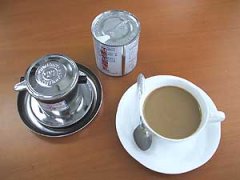
The steps of making coffee in a drip pot by Vietnamese method
Vietnamese coffee has its own style. Coffee beans are deeply roasted and extracted into coffee by drip filtration, which is called Didi pot in Vietnam. Vietnamese coffee with condensed milk, this is unique, if added with ice, it will become iced coffee. The following introduces the specific use of Vietnam Didi pot: 1. Preparation items: Vietnamese Didi pot, condensed milk, Vietnamese local coffee beans, coffee.

Vietnamese boutique coffee introduction Vietnamese boutique coffee features Vietnamese boutique coffee taste Vietnamese boutique
Vietnam's geographical location is very favorable for coffee cultivation. Southern Vietnam has a hot and humid tropical climate, which is suitable for growing ROBUSTA coffee, while the north is suitable for growing ARABICA coffee. Each coffee bean used in the current production of Saigon Coffee is selected from the best coffee areas in the Vietnamese plateau and is made with special cream, with outstanding milky aroma, mellow coffee flavor and Saigon aroma.

Which brand of Vietnamese coffee is better? pictures of common brands of Vietnamese coffee-how to drink G7 three-in-one coffee
Professional coffee knowledge exchange more coffee bean information please follow the coffee workshop (Wechat official account cafe_style) * traditional Vietnamese coffee is baked with special cream (butter, also known as butter in other Chinese areas, refers to cream extracted from milk), emitting a hint of creamy aroma and enhance the rich and mellow taste of the coffee. Vietnamese coffee brand Zhongyuan G7 Coffee
Method of brewing Vietnamese coffee in smart filter cup method of making Vietnamese coffee by pressing pot
Exchange of professional baristas Please follow the coffee workshop (Wechat official account cafe_style) Vietnamese coffee flavor: smell: coffee after the preparation of the smell and aroma. The words used to describe smell include caramel, carbon roast, chocolate, fruit, grass, malt, and so on. Bitterness: bitterness is a basic sense of taste, and the sensory area is distributed at the base of the tongue. Deep

Vietnamese boutique coffee introduction Vietnamese boutique coffee beans Vietnamese coffee taste Vietnamese coffee beans unique
Vietnamese coffee has a strong flavor, light sour taste, smooth and moist taste, slightly bitter in mellow, full-bodied, refreshing and refreshing. The representative products are moossy Coffee, Central Plains Coffee (G7 coffee), Saigon Coffee (SAGOCAFE) and Highland Coffee. Vietnam's geographical location is very favorable for coffee cultivation. Southern Vietnam has a hot and humid tropical climate, which is suitable for growing ROBUSTA coffee.

How to tell the authenticity of Vietnamese G7 coffee, a brief introduction of Vietnamese G7 coffee
Follow the caf é (Wechat official account vdailycom) found that the beautiful cafe opened a small shop Vietnam G7 coffee how to distinguish between true and false (1) sensory examination of the coffee as brown powder, due to the Maillard reaction occurred during roasting to make the coffee has a special aroma, while counterfeit coffee, there is little or no such specific aroma. (2) Coffee powder to be tested by density test